
Research Projects
The lab works primarily with sediments and environmental proxies. Cores from lakes, wetlands, and peatlands hold a continuous record of what a landscape has been through — vegetation, fire, climate, and people — and the newest layers hold the pollutants arriving now. Our work runs along two threads that share the same archive and the same laboratory.
Two Threads
Modern environmental hazards and pollutants
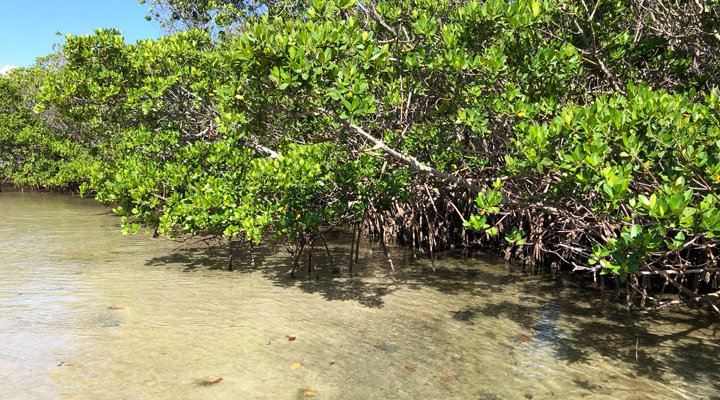
Microplastics are now part of the sedimentary record. We quantify them in wetland and lake sediments, surface water, and vegetation to establish where they accumulate, how hydrology and sediment character control their distribution, and what baseline a system has before management decisions are made. Field sites range from a protected urban wetland in coastal Florida to remote alpine lakes, tropical coastlines, and agricultural soils, which lets us compare contamination across settings that differ sharply in population, land use, and connectivity.
The same approach extends to other contaminants, including heavy metals in soils and sediments measured by X-ray fluorescence.
Methods: density separation, organic-matter digestion, filtration, stereomicroscopic identification and picking, FTIR polymer confirmation with count correction; handheld XRF; standardized sediment characterization.
Long-term environmental change
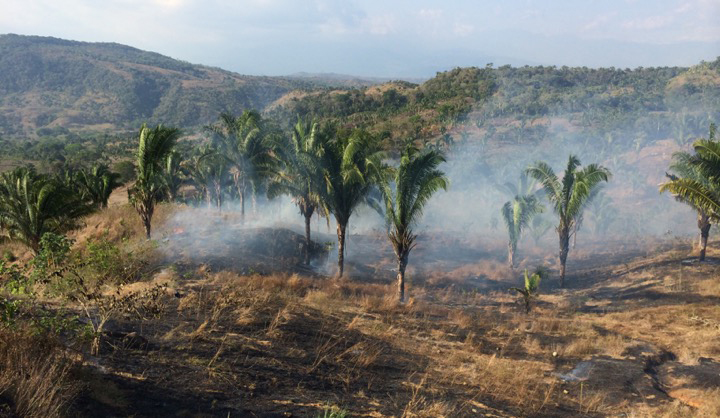
Sediment cores spanning hundreds to thousands of years let us reconstruct how vegetation, fire, and climate have shifted, and how people fit into that history. Palynology is at the center of this work: pollen and spores preserved in sediment record the plant communities around a site through time, and paired with charcoal they reveal fire regimes, forest clearance, and the arrival and abandonment of agriculture. Diatoms, stable isotopes, sediment geochemistry, and magnetic properties add water quality, hydroclimate, and catchment change to the same timeline, anchored by radiocarbon chronologies.
Questions we return to: when did maize agriculture reach a valley, and what did it do to the forest; how did tropical fire regimes respond to drought and to Spanish contact; how did shifts in the Intertropical Convergence Zone play out as drought in Caribbean highlands; and how resilient were past societies to the climate stress recorded beneath them.
With the Francis Lab in Biological Sciences, we are building a high-throughput pollen imaging platform — automated slide scanning, a curated South Florida pollen reference library, and machine-learning identification — to make pollen analysis faster and reproducible across paleoecology and pollination ecology.
Methods: pollen and spore analysis; microscopic and macroscopic charcoal; diatoms; loss-on-ignition; magnetic susceptibility; XRF; bulk and compound-specific stable isotopes; AMS radiocarbon age–depth modeling.
Where We Work
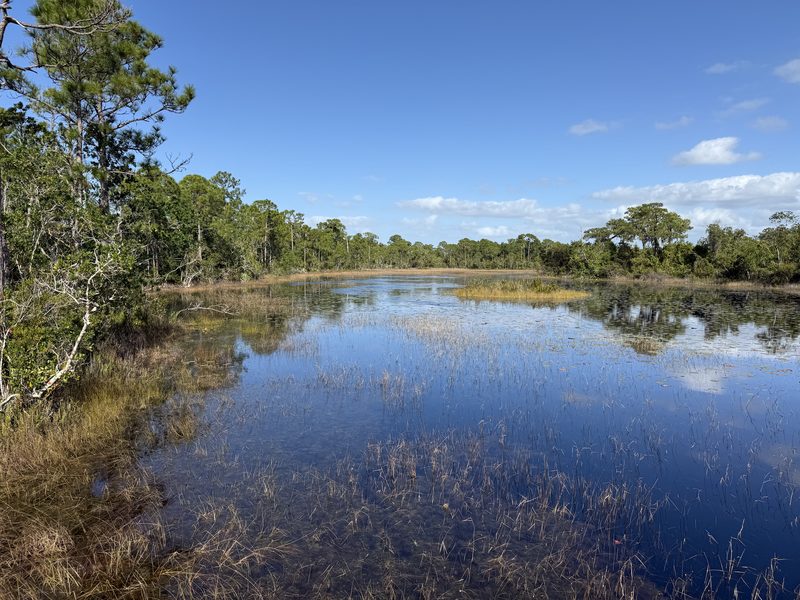
Florida
Microplastics in urban wetlands, mangrove and barrier-island sediments, and the Lake Worth Lagoon; environmental change in Everglades cypress swamps; pollen records from the Florida Keys. Where we conduct most undergraduate field research.
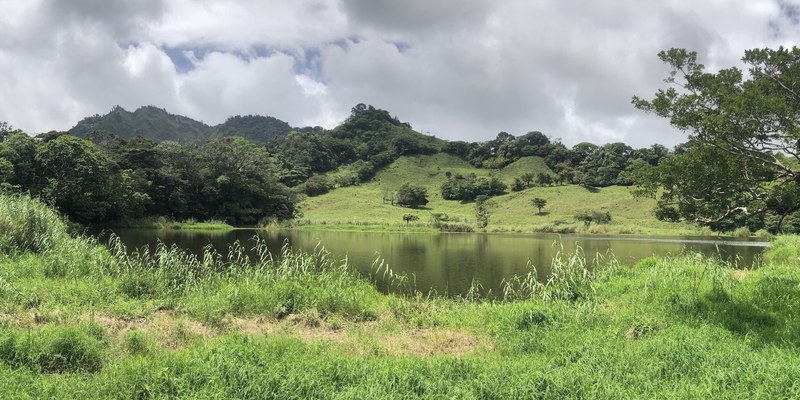
Costa Rica
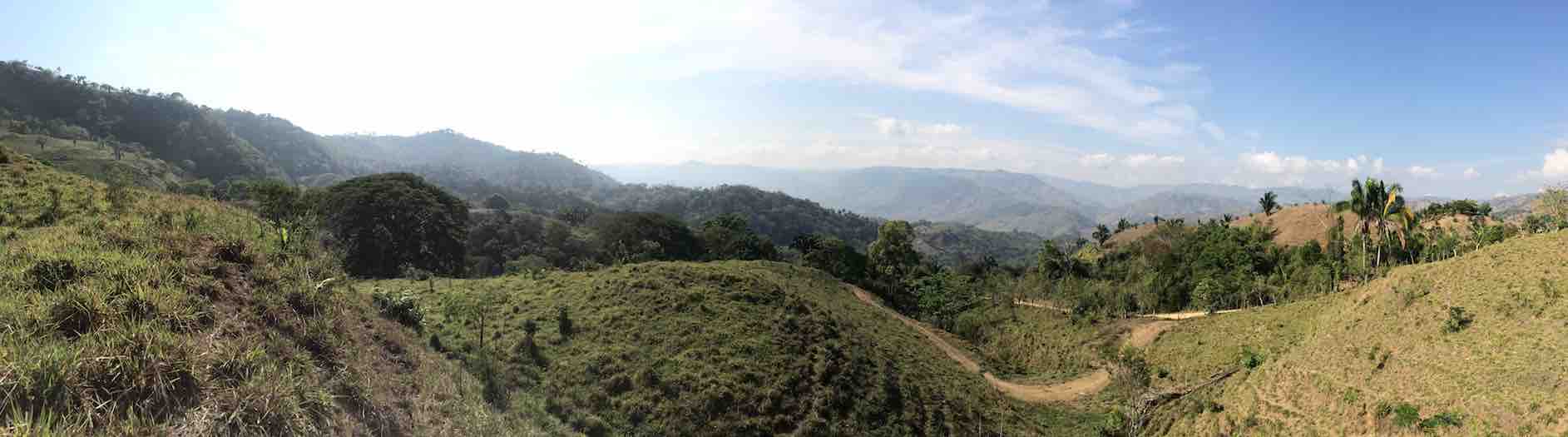
Small lakes of the Pacific slope and Central Valley — Los Mangos, Carse, Arancibia, Pozo Verde — yield records of fire, vegetation, and maize agriculture reaching back more than 4,000 years, developed with archaeologists and paleoecologists at the University of Costa Rica and the University of Tennessee.

Ecuador
The Manteño landscape of coastal Manabí: cloud-forest settlement and agricultural terraces mapped by UAV-lidar and excavation, and sediment records of El Niño–Southern Oscillation, in collaboration with FAU’s archaeological field program.

Dominican Republic
A highland wetland in central Hispaniola records late-Holocene drought and the behavior of the trade wind inversion as the Intertropical Convergence Zone shifted, including the Terminal Classic Drought and the Little Ice Age.
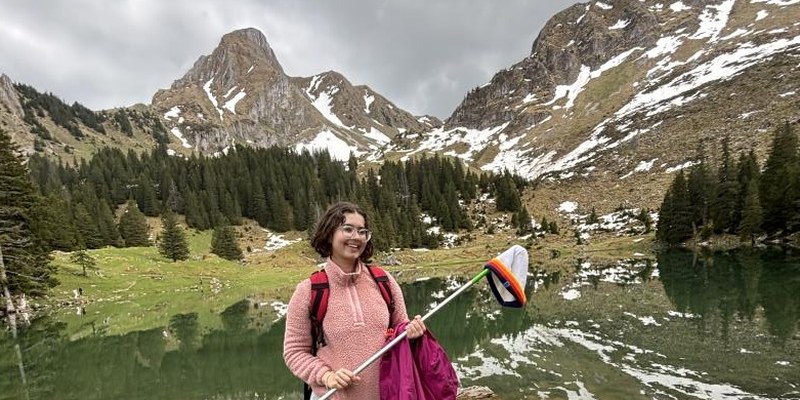
Switzerland
Microplastics in the surface water of remote mountain lakes across an elevational gradient in the Alps, testing how far atmospheric transport carries contamination from human activity.
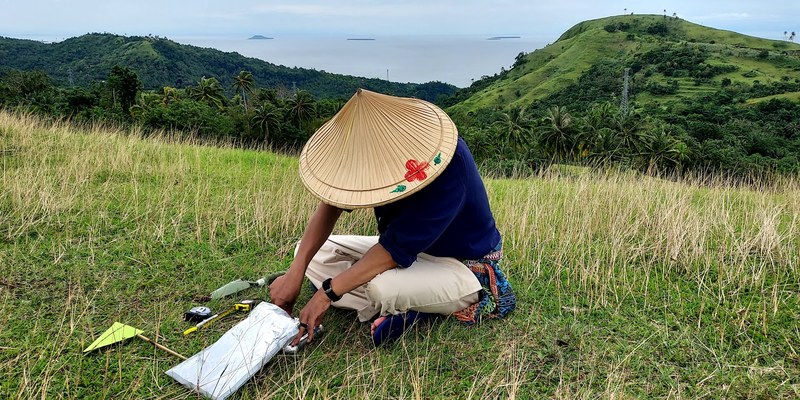
Philippines
Macro- and microplastics in surface sediments across the ecoregions of western Leyte, from river mouths and mangroves to reef flats.
Maine
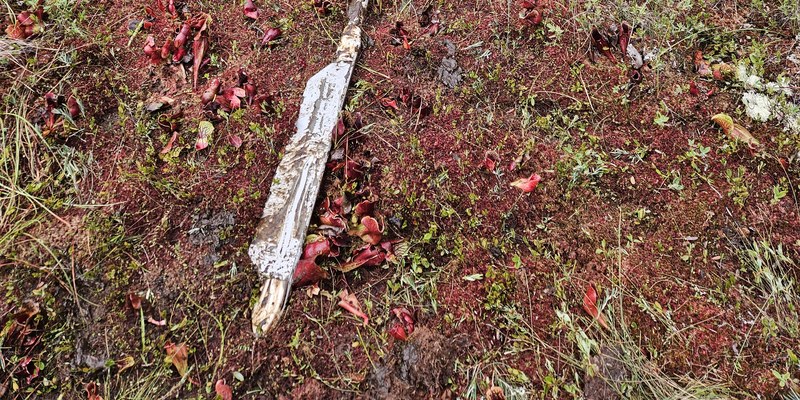
Long-term environmental change at a northern boreal peatland, extending the lab’s sediment-archive approach from the tropics to the boreal zone.
Argentina
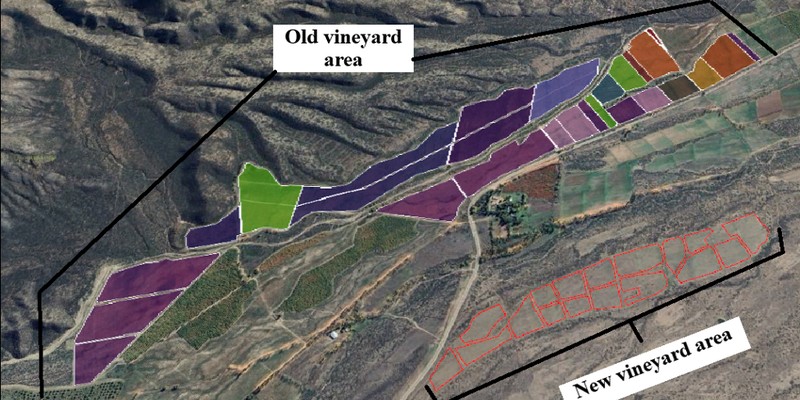
Microplastics and heavy metals in old-growth and new-growth vineyard soils of Mendoza, linking agricultural practice to contaminant accumulation.